
Lebanon is naturally rich in water resources, with abundant rivers, springs, and a relatively high annual rainfall compared to its regional neighbors. However, poor water waste management, aging infrastructure, and lack of effective policies have led to widespread pollution and inefficient use, putting this valuable resource at serious risk.
In addition to that, poorly planned dam projects—often driven by political interests rather than environmental or hydrological assessments—have further undermined sustainable water management and failed to address the country’s long-term water storage and distribution needs.
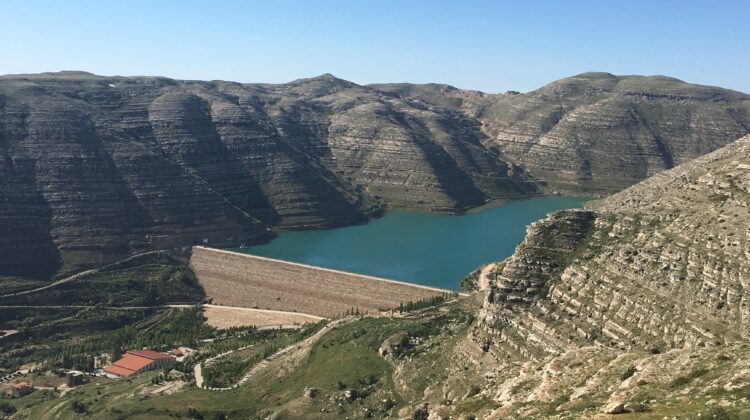
The Chabrouh Dam is one of the very few properly maintained and functioning dams in Lebanon. However, instead of protecting water quality and preventing pollution, recreational activities such as jet-skiing and motorized water skiing were being organized there annually. This prompted Energy and Water Minister Joe Saddi to issue a decree banning all activities on the dam, following a scientific study by an international specialized body that assessed the risks these activities posed to water quality.
The report, published on Aug. 6, 2025, recommended suspending all non-essential use, identifying it as a national priority to ensure the continuity of drinking water resources during periods of drought or acute water crises. It warned against mechanical activities such as jet-skiing or motorized water skiing, which could pollute the water and disrupt the ecological balance (including oil pollution, noise, disturbing water turbulence and sediment resuspension), and called for their exclusion from drinking water zones or heavily regulated areas.
There is no harm in developing the site for tourism purposes, but it must be done responsibly—which clearly wasn’t the case here. According to Meteo-Liban, rainfall this season totaled just 382.1 millimeters, compared to 1,051.3 mm the previous year and a 30-year average of 822 mm. As a result, the Chabrouh Dam has stored only 30 percent of its capacity this year.






[vivafbcomment]